

Data Centers
SULPHUR SPRINGS, TEXAS
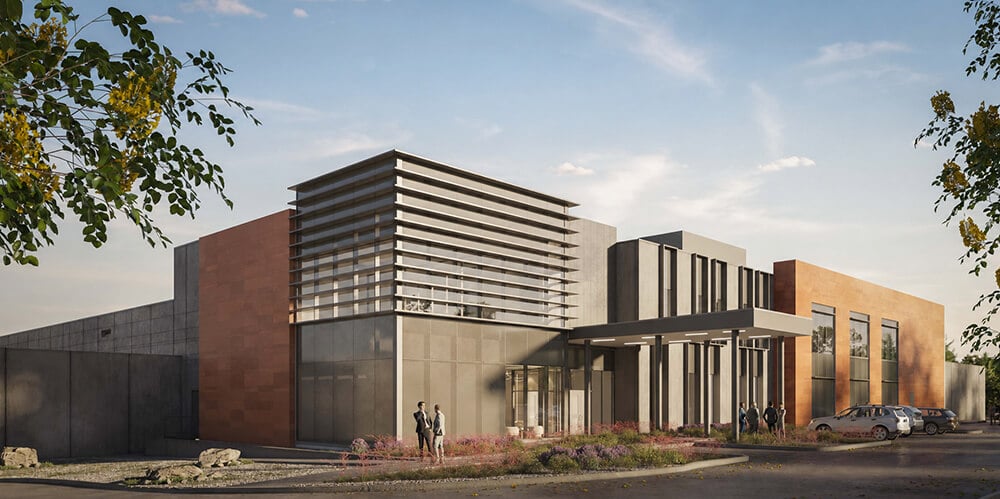
CyrusOne is evaluating the development of a state-of-the-art, phased data center campus in Hopkins County, Texas, near the City of Sulphur Springs. We are committed to being a responsible community partner — driving local economic opportunity, prioritizing environmental responsibility, and contributing to the region’s long-term prosperity.
We welcome opportunities to support the causes and priorities that matter most to the Sulphur Springs and Hopkins County community.


FAQ FOR SULPHUR SPRINGS, TEXAS
What is a data center and who is CyrusOne?
What is a data center?
A data center is a physical facility that stores and processes data behind everything digital. Every time you send an email, receive a direct deposit, check your bank account, attend an online class, access healthcare, stream a movie, make an online purchase, use GPS navigation, or contact emergency services, that information is processed through a data center.
From education and healthcare to banking, business operations, and government services, data centers securely store and process the information that keeps modern life connected.
Who is CyrusOne?
CyrusOne is a global data center owner, developer, and operator with more than 25 years of experience and more than 60 data centers across the United States, Europe, and Japan.
Where is this site located?
The site is in Hopkins County, Texas, near the City of Sulphur Springs, approximately 73 miles northeast of Dallas. The proposed campus is situated on the former Monticello Thermo Mine along State Highway 11.
Why was this location selected?
The site offers access to key infrastructure, available land, and proximity to a strong regional workforce.
Equally important, this project represents an opportunity to thoughtfully repurpose a former lignite mining site that has limited alternative development uses. By transforming previously disturbed land into modern digital infrastructure, we can support long-term economic growth. Lastly, the site's natural topography and mature trees create a natural buffer to minimize visual impacts. Together, these factors make this a strong location for a potential data center campus that can deliver local benefits and support the region's future competitiveness.
What is CyrusOne proposing to build in Sulphur Springs?
CyrusOne is evaluating the development of a large-scale data center campus on the site. Data centers are facilities that house the digital infrastructure that supports cloud computing, artificial intelligence, online services, and other technologies used by businesses and consumers every day.
The project is still in the due diligence and planning phase, and a final site plan has not yet been determined. Based on the size of the property, CyrusOne is evaluating a phased data center campus that could ultimately include multiple data center buildings developed over time.
If fully built, the project could represent between $5 billion and $10 billion in private capital investment and generate significant long-term property tax revenue for the City of Sulphur Springs and Hopkins County. The final campus size, investment, and timing will depend on the outcome of ongoing engineering, environmental, utility, regulatory, and community planning efforts.
Who is CyrusOne’s tenant?
While we cannot disclose our customers’ names due to confidentiality agreements, we can tell you that we work with Grade A companies who share our commitment to responsible development, safe operations, and being a good neighbor.
How will the project be powered, and what impact will it have on the local electric system?
The project will be powered by new onsite natural gas generation that CyrusOne expects will be owned, operated and built by a leading US power company.
At startup, the data center campus is expected to be powered by onsite natural gas generation. Over time, the campus is expected to interconnect with nearby transmission infrastructure as part of its long-term power strategy.
Over time, the campus is expected to connect to transmission infrastructure located near the site. Any project-related transmission interconnection, substations, or power delivery upgrades required to serve the campus will be funded by CyrusOne, not by local taxpayers, residents, or utility customers. Based on the current project design, CyrusOne does not expect the campus to increase local electric rates. During initial operations, the campus is expected to generate its own power onsite, and any infrastructure needed to serve the project would be funded by CyrusOne rather than the local community.
Regional grid operators (ERCOT) and Transmission Service Providers (TSP) evaluate large energy projects through a detailed review process before service is approved to help ensure grid reliability is maintained. Data centers like this are required to meet similar reliability and infrastructure standards as other large industrial users.
How are data centers regulated?
Data centers are subject to applicable federal, state, and local environmental, building, fire safety, and operational regulations.
Key areas of oversight for this project include:
- Backup generators regulated under EPA and applicable state air quality standards
- Closed-loop cooling systems designed to minimize water use and avoid ongoing cooling discharge during normal operations
- Sanitary wastewater from restrooms and sinks handled through code-compliant systems
- Site development reviewed through local planning, zoning, stormwater, and building permitting processes
Operations must comply with applicable environmental regulations, including EPA standards, applicable state environmental requirements, and local ordinances.
How much water will the data center use, and how will the closed-loop cooling system work?
CyrusOne's closed-loop cooling technology is designed to minimize water consumption. Unlike some cooling systems, it continuously circulates water within a sealed system inside the building to remove heat. After the initial fill, the water is reused rather than continuously consumed, meaning the cooling system does not require ongoing water use for cooling or routine wastewater discharge to the environment.
Daily water use at the campus will primarily support restrooms, basic facility operations, and limited humidification inside the buildings. Based on the current design, each building is expected to use approximately 1,250 gallons of water per day on average.
For comparison, a typical 50,000-square-foot grocery store uses approximately 3,000 gallons of water per day, based on U.S. Energy Information Administration commercial building water-use benchmarks.
Will water use strain local supplies or affect water rates and availability?
No. CyrusOne uses closed-loop cooling technology designed to use very little water. This approach has been standard across our facilities for more than 15 years, reflecting our focus on using water responsibly.
Day-to-day water use at the campus will be limited to employee and visitor needs such as restrooms, breakrooms and basic cleaning.
The initial water needed to fill the cooling system would be delivered to the site rather than drawn from local supply. Because the system operates as a sealed loop, it does not require continuous water use for cooling.
Are there risks of groundwater contamination from coolant systems or chemicals used?
No. The campus uses a sealed, closed-loop cooling system designed with no ongoing discharge from the cooling process during normal operations. The cooling system is self-contained and does not discharge to soil or groundwater. The water is treated with microbiocides to prevent contaminants from forming and to keep the system running smoothly. Any system maintenance involving fluids is handled by licensed contractors in accordance with applicable environmental regulations.
Water from restrooms and other day-to-day use by employees is managed through code-compliant systems designed to protect soil and groundwater.
How are backup generators regulated and used?
Backup generators include modern emissions controls and are subject to U.S. Environmental Protection Agency (EPA) requirements and applicable state air quality regulations.
Backup generators are tested monthly as part of routine maintenance to help ensure they are ready if needed during a power outage. Generator testing and operation are regulated under applicable environmental permits and emissions standards.
How is the facility designed to manage sound and lighting impacts?
Sound levels will meet applicable state and local requirements. From the start, the facility is designed to help reduce noise at the property line, with input from acoustic specialists who evaluate expected sound levels before construction begins.
Sound mitigation measures include:
- Sound-attenuated cooling equipment
- Sound-attenuated emergency backup generator enclosures
- Critical-grade exhaust silencers on emergency backup generators
- Strategic setbacks from property lines
- Acoustic barriers around chiller and generator equipment
This is not a heavy industrial facility, and we use no uplighting — all lighting is directed downward toward the ground. Our design minimizes light pollution to preserve dark skies.
Light mitigation measures include:
- Exterior lighting directed downward
- Motion-activated exterior lighting
- No uplighting
- Shielded fixtures to prevent light spill
- Design intended to minimize light pollution and preserve dark skies
Will this facility disrupt farmland? How do you acquire land?
No. The proposed site is reclaimed property from a former coal mine that closed in 2016, rather than active farmland.
The facility is being designed to minimize its environmental footprint through thoughtful site planning, water conservation measures, and responsible environmental stewardship.
CyrusOne acquires land through voluntary transactions with landowners who choose to sell their property. All land purchases are made with willing sellers.
How many permanent jobs will the data center create?
Once fully built, the campus is expected to support hundreds of permanent, full-time jobs across technical operations, facility management, security, engineering, and other support functions. Staffing will grow over time as buildings are constructed and brought online, creating opportunities for people with a variety of skills and experience levels, including roles that do not require a college degree.
To help prepare local residents for careers in the digital infrastructure industry, CyrusOne plans to establish a workforce development and scholarship program in partnership with local educational and training institutions. The program will support students and community members pursuing technical education, workforce training, and career pathways relevant to data center operations.
Construction of the campus is also expected to support hundreds of jobs over the multi-year build period across a range of skilled trades and local contractors.
For more information, please contact communities@cyrusone.com.
Will CyrusOne and local officials hold a community meeting to answer questions?
Yes. As the project moves through the planning process, CyrusOne intends to participate in community meetings and other public engagement opportunities to answer questions, provide project updates, and hear directly from residents. Information about future meetings will be shared as plans are finalized.
We are committed to transparency and to keeping the community informed. We will share updates on any future meetings.
How do I contact you with questions or concerns?
Email us at communities@cyrusone.com or call +1 (866) 297-8766.
We welcome questions and feedback throughout the planning, construction, and operation of the project. Our team is committed to maintaining open communication with the community, and once the campus is operational, staff will be on site 24 hours a day, 7 days a week.
What it means to have CyrusOne in your community
CyrusOne is committed to being a long-term, responsible partner in Sulphur Springs and Hopkins County. From planning through potential construction and operation, we prioritize safety, environmental stewardship, and strong community relationships.
We support initiatives that strengthen the community — including public safety, education, workforce development, and other community priorities. If your organization has a project or funding need that supports Sulphur Springs or Hopkins County, we welcome the opportunity to connect with you.
Economic Impact
If fully built, the project could represent between $5 billion and $10 billion in private capital investment and generate significant long-term property tax revenue for the City of Sulphur Springs and Hopkins County.
Hundreds of construction jobs are expected during the multi-year development phase across various trades and skilled labor.
Once fully built, the campus is expected to support hundreds of permanent, full-time jobs across technical operations, facility management, security, engineering, and other support functions, including roles that do not require a college degree.
CyrusOne plans to establish a workforce development and scholarship program in partnership with local educational and training institutions to help prepare local residents for careers in the digital infrastructure industry.
Environmental Stewardship

Closed-loop cooling technology is designed to minimize water consumption. Unlike some cooling systems, it continuously circulates water within a sealed system inside the building to remove heat.
Daily water use at the campus will primarily support restrooms, basic facility operations, and limited humidification inside the buildings.
The proposed site is reclaimed property from a former coal mine that closed in 2016, rather than active farmland.
Sound mitigation measures include sound-attenuated cooling equipment, sound-attenuated emergency backup generator enclosures, critical-grade exhaust silencers, strategic setbacks, and acoustic barriers around chiller and generator equipment.
All lighting is directed downward toward the ground. CyrusOne uses no uplighting, and the design minimizes light pollution to preserve dark skies.
Community Partnership

We are committed to transparency and ongoing engagement throughout the planning process.
CyrusOne intends to participate in community meetings and other public engagement opportunities to answer questions, provide project updates, and hear directly from residents.
Published a comprehensive Community FAQ to address key questions.
Engaged with local officials and community leaders in Sulphur Springs and Hopkins County.
Made ourselves available for direct questions at communities@cyrusone.com or +1 (866) 297-8766.
Committed to maintaining open communication with the community throughout planning, potential construction, and operation of the project.